
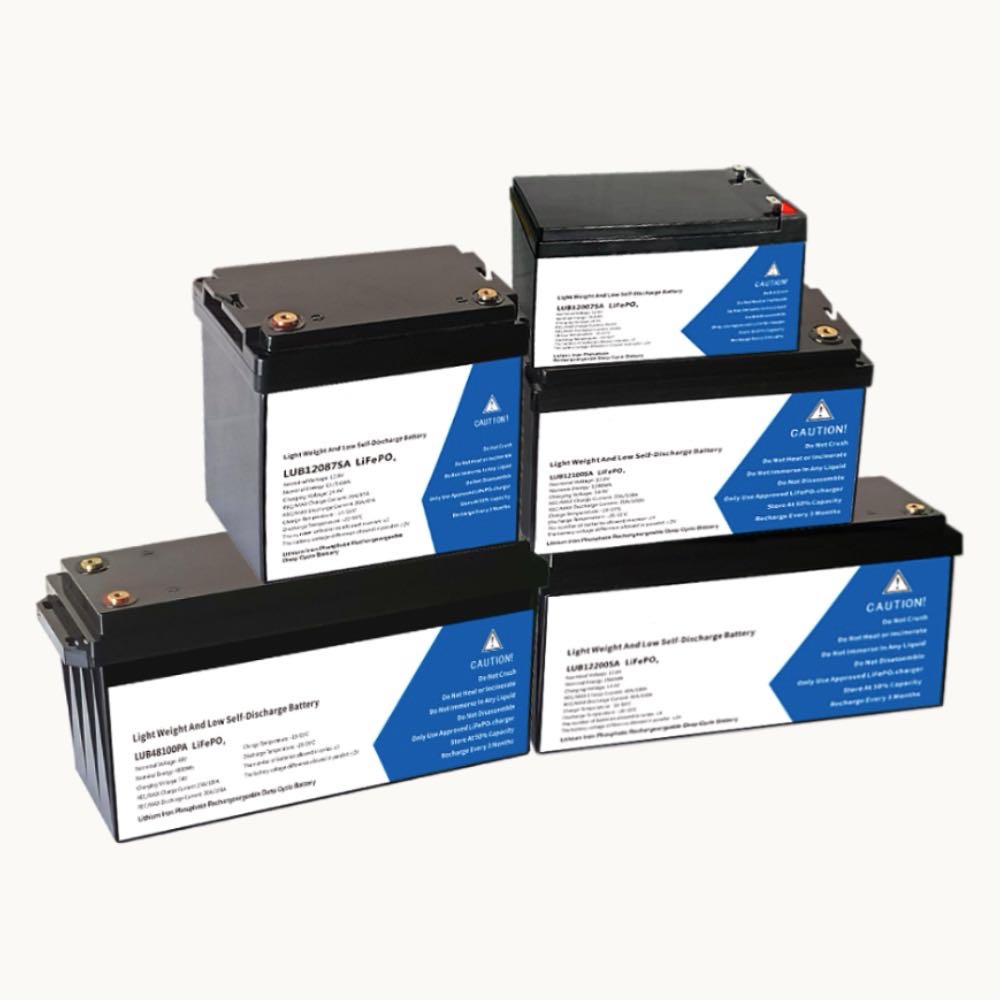
Uninterruptible Power Supply (UPS) systems are designed to provide immediate backup power during outages and ensure the safe shutdown or continuous operation of critical equipment. A common question from users and facility managers is whether a UPS battery can continue to operate normally and support system restart after a discharge event. The answer depends on several technical factors, including battery condition, discharge depth, system design, and recharge management.
This article explains how UPS batteries behave after power interruptions and what determines their ability to recover and support restart.
How UPS Batteries Operate During Power Outages
When a power failure occurs, the UPS system instantly switches to battery mode. The battery supplies DC power, which is converted into AC to keep connected equipment running. The duration of backup depends on battery capacity and load conditions.
Once grid power is restored, the UPS automatically switches back to utility power and begins recharging the battery. At this stage, whether the battery can continue operating normally and support another discharge or restart depends on its health and the depth of the previous discharge.
Can a UPS Battery Restart Immediately?
In most cases, a UPS battery can support restart after a power event, but there are limitations.
1. State of Charge (SOC)
If the battery has been deeply discharged during an outage, it may not have sufficient remaining charge to support an immediate restart. Most UPS systems include protection logic that prevents operation when battery voltage is too low.
A minimum charge level is required before:
- Restarting connected equipment
- Supporting another outage event
2. Depth of Discharge (DoD)
Frequent deep discharges reduce battery lifespan and can affect short-term performance. Lead-acid batteries, in particular, are sensitive to deep discharge and may require sufficient recharge time before returning to full functionality.
Lithium batteries perform better under deep discharge conditions and can recover faster.
3. Battery Health and Aging
Battery condition is one of the most critical factors. Over time, all batteries experience capacity degradation due to:
- Chemical aging
- Temperature exposure
- Charge/discharge cycles
An aged or degraded battery may:
- Deliver shorter backup time
- Fail to support restart
- Exhibit unstable voltage under load
Regular capacity testing is essential to ensure reliable performance.
Recharge Time and System Recovery
After a discharge event, the UPS battery enters a recharge phase. The time required depends on:
- Charger capacity
- Battery type
- Depth of discharge
Typical recharge characteristics:
- Lead-acid batteries may require several hours to fully recharge
- Lithium batteries generally recharge faster and more efficiently
During partial recharge, the battery may support limited operation, but full backup capability is only restored after sufficient charging.
Differences Between Lead-Acid and Lithium Batteries in UPS Systems
Lead-Acid Batteries
Lead-acid batteries remain widely used in UPS systems due to their cost-effectiveness and established reliability. However, they have limitations:
- Longer recharge time
- Lower tolerance for deep discharge
- Shorter lifespan (typically 3–5 years)
After a full discharge, they may need a longer recovery period before supporting restart.
Lithium (LiFePO4) Batteries
Lithium iron phosphate batteries offer improved performance in modern UPS systems:
- Faster recharge capability
- Higher depth of discharge tolerance
- Longer service life (often 8–10 years)
- Stable voltage during restart
These features make lithium batteries more suitable for applications requiring frequent cycling or rapid recovery.
Best Practices to Ensure Reliable Restart
To ensure that UPS batteries can operate normally and support restart, the following practices are recommended:
- Avoid deep discharge whenever possible
- Maintain proper charging voltage and current
- Monitor battery health regularly
- Replace aging batteries before capacity drops significantly
- Use batteries with verified quality and reliable BMS (for lithium systems)
These measures help maintain system readiness and reduce the risk of failure during critical events.
Conclusion
A UPS battery can generally continue working and support system restart after a power outage, but its performance depends on charge level, discharge depth, battery condition, and recharge management. While lead-acid batteries remain suitable for many applications, lithium batteries offer clear advantages in faster recovery and long-term reliability.
For data centers, industrial facilities, and critical infrastructure, selecting high-quality UPS batteries and maintaining them properly is essential to ensure uninterrupted operation and dependable restart capability.