
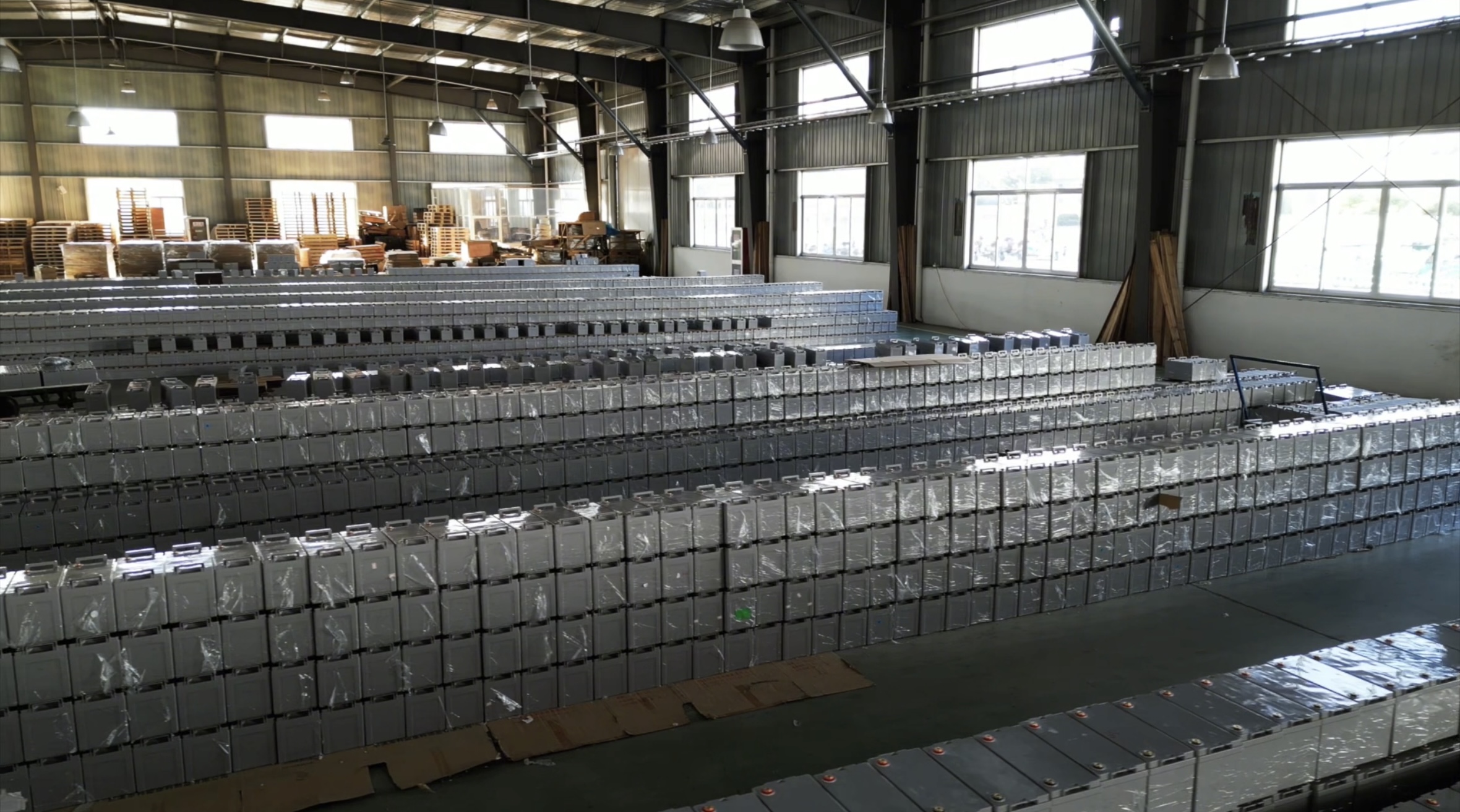
Lead-acid batteries are widely used in backup power applications such as UPS systems, telecommunications, and energy storage due to their reliability and cost-effectiveness. A common question from users and system integrators is whether lead-acid batteries can remain connected to a charger continuously. The answer is yes—with proper charging methods and system design, lead-acid batteries are typically maintained in a continuous charge state known as float charging. However, there are important technical considerations to ensure safety, longevity, and optimal performance.
Understanding Float Charging in Lead-Acid Batteries
In most standby applications, lead-acid batteries operate under a float charge condition. This means the battery is connected to a constant voltage power source that keeps it fully charged without overcharging.
Float charging is designed to:
- Compensate for self-discharge
- Maintain the battery at full capacity
- Ensure immediate availability during power outages
For example, in UPS systems and telecom base stations, batteries remain on float charge for extended periods—often for years—until they are needed.
Why Continuous Charging Works
Lead-acid batteries naturally lose charge over time due to internal chemical reactions. Continuous float charging ensures that this energy loss is replenished. When properly controlled, the charger supplies only a small current, just enough to maintain the battery』s full state of charge.
This method allows the battery to:
- Stay ready for instant discharge
- Avoid deep discharge cycles
- Provide reliable backup power when required
Key Conditions for Safe Continuous Charging
While continuous charging is standard practice, it must be carefully managed. Improper charging can lead to reduced battery life or safety risks.
1. Correct Float Voltage
Maintaining the correct float voltage is critical. Excessively high voltage can cause overcharging, leading to:
- Water loss (in flooded batteries)
- Thermal runaway
- Plate corrosion
Typical float voltage ranges:
- Around 2.25–2.30 V per cell (at 25°C), depending on battery type
2. Temperature Compensation
Temperature has a direct impact on battery chemistry. Higher temperatures increase the risk of overcharging, while lower temperatures reduce charging efficiency.
Modern systems use temperature compensation to adjust float voltage automatically, ensuring safe operation in different environments.
3. Proper Ventilation and Environment
Although valve-regulated lead-acid (VRLA) batteries are sealed, they can still release small amounts of gas under certain conditions. Proper ventilation and stable ambient temperature help maintain battery health and safety.
4. Periodic Inspection and Maintenance
Even under float charge, batteries require routine checks, including:
- Voltage consistency across cells
- Capacity testing
- Visual inspection for swelling or leakage
Preventive maintenance helps detect early signs of degradation.
Limitations of Continuous Charging
While float charging is effective, long-term continuous charging can contribute to gradual battery aging. Over time, factors such as grid corrosion and electrolyte degradation will reduce capacity.
Typical lifespan under float conditions:
- 3–5 years for standard VRLA batteries
- Longer under optimal temperature and maintenance conditions
For applications requiring longer lifespan and lower maintenance, lithium batteries are increasingly considered as an alternative.
Lead-Acid vs. Lithium in Standby Applications
Lead-acid batteries remain a cost-effective solution for many standby systems. However, lithium iron phosphate (LiFePO4) batteries offer advantages such as longer cycle life, higher efficiency, and reduced maintenance.
Despite this, lead-acid batteries continue to be widely used due to:
- Lower initial cost
- Established technology
- Compatibility with existing systems
The choice depends on budget, application requirements, and lifecycle expectations.
Conclusion
Lead-acid batteries can be safely kept in a continuous charging state when proper float charging techniques are applied. This operating mode is essential for standby applications such as UPS systems and telecommunications infrastructure, where immediate power availability is critical.
However, maintaining correct voltage, temperature control, and regular inspection is essential to ensure long-term reliability and safety. For global customers and system integrators, selecting high-quality batteries and well-designed charging systems is key to maximizing performance and lifespan.