
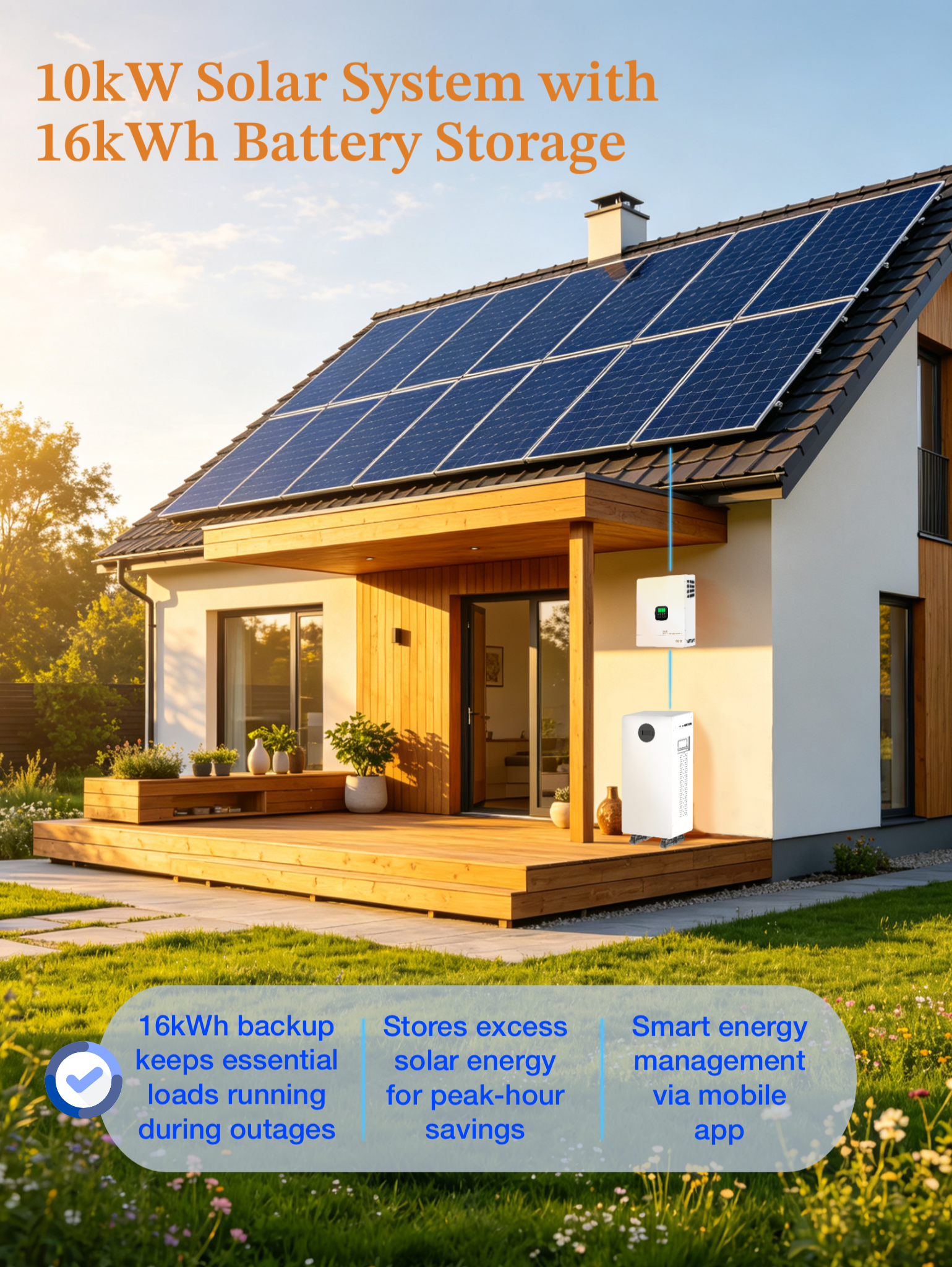
The global energy market is rapidly changing. Rising electricity prices, increasing demand for renewable energy, unstable power grids, and the growing need for energy independence are driving strong demand for lithium battery energy storage systems worldwide. In 2026, residential and commercial & industrial (C&I) energy storage systems are no longer optional technologies — they are becoming essential infrastructure for modern energy management.
From homeowners seeking backup power to factories aiming to reduce electricity costs, lithium energy storage systems are transforming the way energy is generated, stored, and consumed.
The Growing Demand for Energy Storage
One of the biggest trends in the global energy sector is the rapid adoption of solar energy. However, solar power generation is intermittent and depends heavily on sunlight conditions. Energy storage systems solve this problem by storing excess electricity during the day and supplying power when needed.
This capability provides several advantages:
- Improved energy efficiency
- Reduced dependence on the grid
- Backup power during outages
- Lower electricity expenses
- Better utilization of renewable energy
As electricity costs continue to increase in many countries, energy storage systems are becoming a practical investment for both residential and commercial users.
Residential Energy Storage: From Backup Power to Smart Energy Management
Home energy storage systems are evolving beyond simple backup batteries. Modern residential systems integrate lithium batteries, hybrid inverters, and intelligent energy management platforms to create a complete smart energy solution.
Typical residential systems now support:
- Solar self-consumption optimization
- Emergency backup power
- Peak electricity cost reduction
- Smart monitoring through mobile apps
- Grid-connected and off-grid operation
Lithium iron phosphate (LiFePO4) batteries have become the preferred choice due to their long cycle life, high safety standards, and stable performance. Compared with traditional lead-acid batteries, lithium batteries offer:
- Higher energy density
- Longer lifespan
- Faster charging efficiency
- Lower maintenance requirements
For homeowners in regions with unstable electricity supply, residential energy storage also provides energy security and uninterrupted daily living.
Commercial & Industrial Energy Storage: Reducing Operating Costs
Commercial and industrial energy storage systems are becoming increasingly important for factories, warehouses, telecom sites, shopping centers, and office buildings.
One major reason is peak electricity pricing. In many countries, electricity rates vary depending on usage time. C&I energy storage systems allow businesses to store energy during low-cost periods and discharge during peak-price hours, significantly reducing operating expenses.
Applications include:
- Peak shaving and load shifting
- Backup power for critical equipment
- Solar energy integration
- Demand charge management
- Emergency power supply
For industrial users, even short power interruptions can result in production losses and equipment downtime. Reliable lithium battery storage systems help ensure stable operations and improve overall power reliability.
Outdoor Energy Storage Cabinets Becoming a Popular Solution
Another growing trend is the adoption of integrated outdoor energy storage cabinets. These systems combine batteries, inverters, cooling systems, fire protection, and intelligent monitoring into a compact outdoor cabinet.
Advantages include:
- Faster installation
- Lower engineering cost
- Space-saving design
- Improved system integration
- Easy transportation and deployment
Outdoor cabinets are widely used in commercial projects, telecom backup systems, microgrids, and renewable energy applications.
Safety and Reliability Are the Core Priorities
As the energy storage market grows, customers are paying closer attention to product quality and system safety. Reliable manufacturers focus on:
- A-grade battery cells
- Advanced Battery Management Systems (BMS)
- Strict production quality control
- International certifications such as CE, UN38.3, and MSDS
- Thermal management and protection systems
Long-term reliability is particularly important for large-scale energy storage projects, where system stability directly impacts operational efficiency and investment returns.
The Future of Energy Storage
Industry analysts expect global demand for lithium energy storage systems to continue growing over the next decade. Government incentives, renewable energy policies, and increasing energy costs are accelerating market expansion worldwide.
Future developments will likely focus on:
- Higher energy density batteries
- Smarter energy management software
- AI-based monitoring systems
- Greater inverter compatibility
- Larger commercial storage capacities
As energy storage technology becomes more advanced and cost-effective, it will play a central role in the global transition toward cleaner and more sustainable energy systems.
Conclusion
Residential and commercial energy storage systems are reshaping modern energy infrastructure. Whether for reducing electricity costs, improving energy independence, or ensuring reliable backup power, lithium battery storage systems have become an essential solution for homes and businesses worldwide.
For distributors, installers, and project developers, choosing high-quality energy storage products from experienced manufacturers is critical to long-term project success. With continuous innovation and expanding applications, the energy storage industry will remain one of the fastest-growing sectors in the global energy market.