
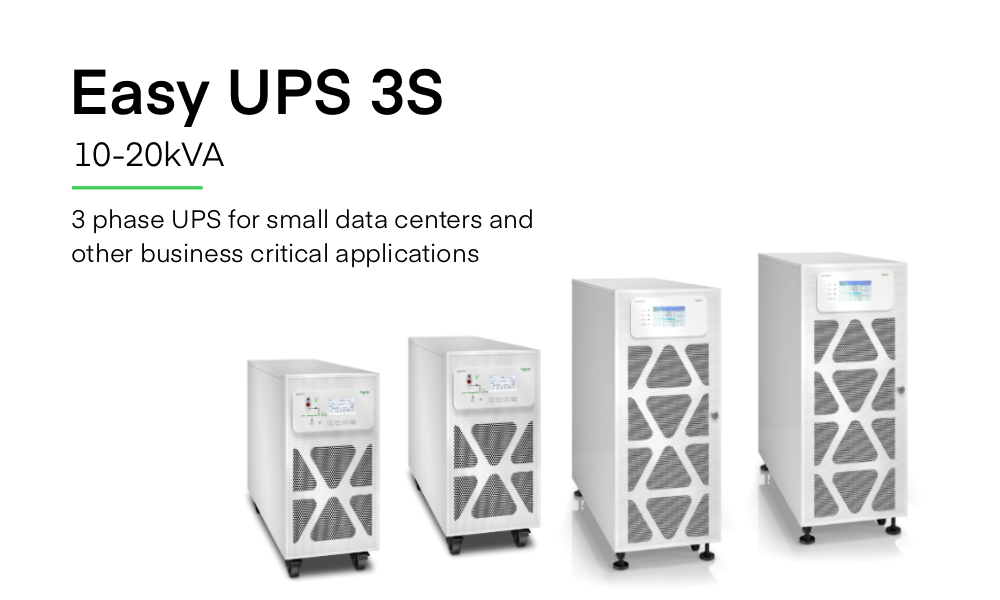
In the digital era, data centers have become critical infrastructure supporting cloud computing, telecommunications, financial systems, and global internet services. Any interruption in power supply can lead to severe consequences, including data loss, service downtime, and financial damage. To maintain continuous operation, data centers rely heavily on Uninterruptible Power Supply (UPS) systems, and at the core of these systems are UPS batteries.
UPS batteries provide the immediate backup power needed during electrical interruptions, allowing data centers to maintain stable operations until backup generators or alternative power sources take over. Their reliability directly affects the overall resilience of the data center power architecture.
Why Reliable Power Is Critical for Data Centers
Data centers operate thousands of servers, networking devices, and cooling systems simultaneously. Even a brief power outage lasting a few seconds can disrupt services, cause hardware malfunctions, or lead to costly downtime.
For this reason, data center operators design power systems with multiple layers of redundancy. UPS systems are the first line of defense during power disturbances such as grid failures, voltage fluctuations, or sudden outages. The battery component within the UPS must deliver instantaneous power without interruption to ensure seamless system continuity.
Instantaneous Backup During Power Failures
One of the most important roles of UPS batteries is providing immediate power during utility outages. Unlike backup generators that require time to start and synchronize, UPS batteries supply electricity instantly.
This rapid response ensures that critical IT equipment continues operating while the generator system activates, which usually takes several seconds to a minute. Without a reliable UPS battery system, even a short delay in power supply could cause system shutdowns or damage to sensitive electronics.
Stabilizing Power Quality
Beyond handling complete power outages, UPS batteries also help stabilize power quality. Data centers require a highly stable electrical environment to protect servers and storage systems.
UPS systems equipped with batteries can compensate for:
- Voltage dips and surges
- Frequency instability
- Power fluctuations from the grid
By maintaining a consistent power output, UPS batteries protect sensitive IT infrastructure and extend the lifespan of critical equipment.
Supporting Redundant Power Architectures
Modern data centers often use redundant power configurations such as N+1 or 2N architectures to maximize reliability. In these systems, multiple UPS units operate simultaneously, each supported by dedicated battery banks.
UPS batteries ensure that redundancy strategies remain effective. If one power path fails, another can immediately take over, preventing service interruptions. High-quality batteries with stable discharge performance are essential for maintaining this level of reliability.
Enhancing Operational Efficiency and Safety
Battery technology also influences the operational efficiency of data center power systems. Traditional valve-regulated lead-acid batteries have been widely used for UPS applications due to their proven reliability. However, newer lithium iron phosphate (LiFePO4) batteries are gaining attention because of their longer service life, higher energy density, and reduced maintenance requirements.
Regardless of battery chemistry, reliable battery management systems (BMS), proper temperature control, and regular monitoring are essential to ensure safe operation and consistent performance.
Long-Term Reliability and Maintenance Considerations
UPS batteries represent one of the most critical maintenance components in data center infrastructure. Battery aging, temperature conditions, and charging patterns all influence performance over time.
Routine inspections, capacity testing, and predictive monitoring systems help operators identify potential battery degradation before failures occur. Choosing high-quality batteries with proven manufacturing standards significantly reduces the risk of unexpected power loss.
Conclusion
UPS batteries play a fundamental role in maintaining data center reliability. By providing instantaneous backup power, stabilizing electrical supply, and supporting redundant power architectures, they protect critical digital infrastructure from costly downtime.
As global data demand continues to grow, reliable UPS battery solutions will remain essential for ensuring uninterrupted operations in modern data centers. For operators, integrators, and infrastructure providers, selecting high-quality battery systems is a key step toward building resilient and efficient power backup systems.