
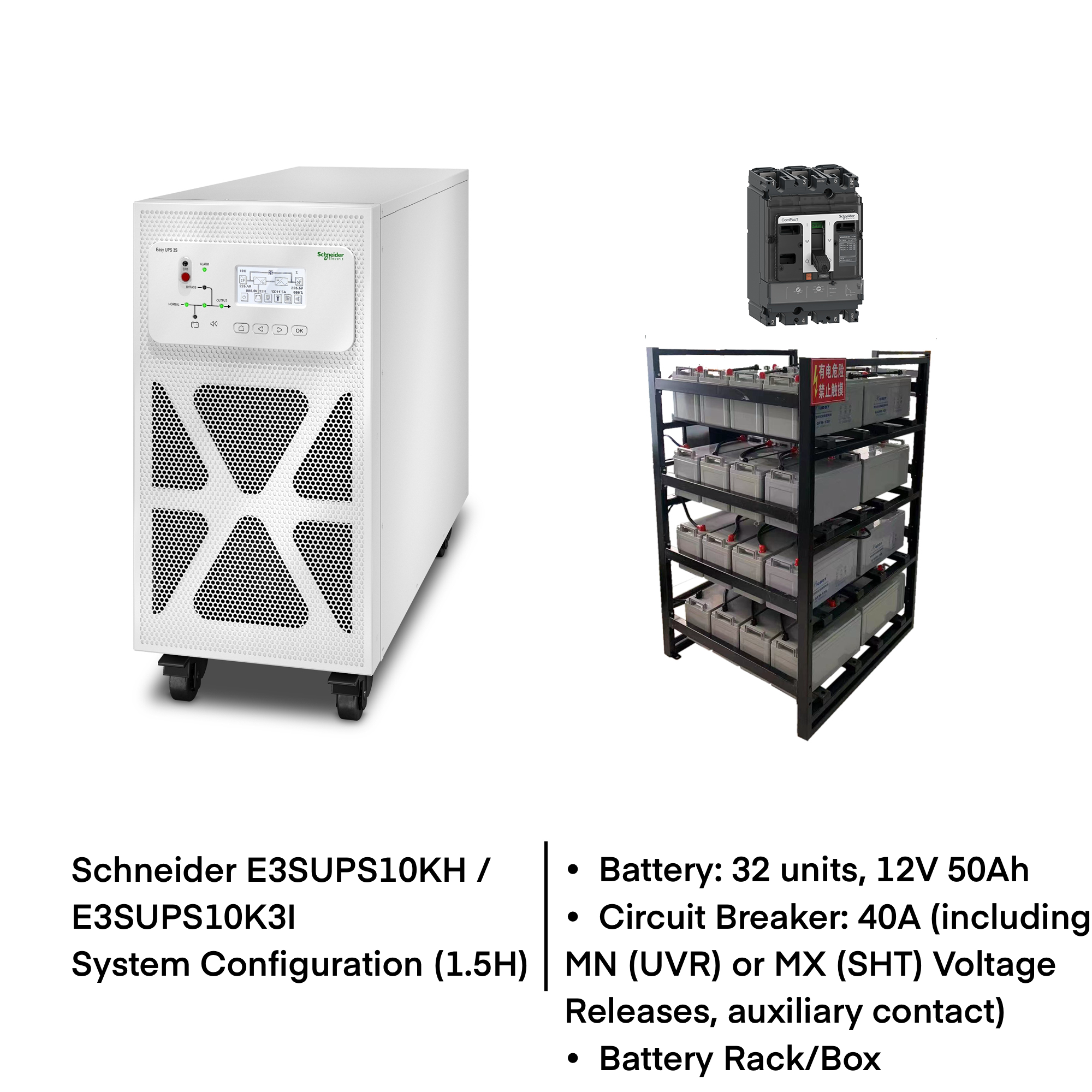
Uninterruptible Power Supply (UPS) systems are essential for ensuring stable power in critical applications such as data centers, hospitals, telecommunications infrastructure, industrial facilities, and office environments. When selecting a UPS system, the battery technology plays a decisive role in determining reliability, maintenance cost, lifespan, and overall system efficiency.
Traditionally, lead-acid batteries have been widely used in UPS applications. However, with advances in energy storage technology, lithium batteries—especially lithium iron phosphate (LiFePO4)—are increasingly becoming the preferred solution. Understanding the advantages and limitations of each battery type helps businesses choose the most suitable option for their UPS systems.
Key Requirements for UPS Batteries
UPS batteries must meet several technical requirements to ensure uninterrupted operation. These include high reliability, fast response during power outages, long service life, and stable performance under frequent charging and discharging cycles.
A suitable UPS battery should provide:
- High discharge efficiency during sudden power interruptions
- Stable voltage output to protect sensitive equipment
- Long cycle life and calendar life
- Low maintenance requirements
- Safe operation in various temperature environments
Meeting these criteria ensures that the UPS system can deliver dependable backup power when it is needed most.
Lead-Acid Batteries: The Traditional UPS Solution
Valve-regulated lead-acid (VRLA) batteries have been the standard choice for UPS systems for decades. They are widely used due to their relatively low upfront cost and established manufacturing technology.
The main advantages of lead-acid batteries include:
- Lower initial investment
- Mature and widely available technology
- Compatibility with most traditional UPS systems
However, lead-acid batteries also have several limitations. Their lifespan is typically between three and five years, depending on operating conditions. They are also sensitive to high temperatures, require more maintenance, and offer lower energy density compared to lithium batteries. In large UPS installations such as data centers, replacing lead-acid batteries frequently can lead to significant long-term operational costs.
Lithium Iron Phosphate Batteries: The Modern Alternative
Lithium iron phosphate batteries have gained significant attention in recent years as a high-performance alternative for UPS systems. Their superior safety characteristics, long cycle life, and higher energy efficiency make them particularly suitable for modern power backup applications.
Compared with lead-acid batteries, LiFePO4 batteries provide several advantages:
- Much longer service life, often exceeding 10 years
- Higher energy density, reducing installation space requirements
- Faster charging capability
- Lower maintenance requirements
- Higher depth of discharge without damaging the battery
These characteristics make lithium batteries especially attractive for data centers, telecommunications facilities, and other environments where uptime and operational efficiency are critical.
Cost Considerations and Long-Term Value
Although lithium batteries typically have a higher upfront cost than lead-acid batteries, their longer lifespan and lower maintenance requirements significantly reduce the total cost of ownership. In many UPS applications, lithium batteries can last two to three times longer than traditional lead-acid batteries.
For businesses that operate mission-critical equipment, the improved reliability and reduced replacement frequency of lithium batteries often justify the initial investment.
Choosing the Right Battery for Your UPS System
Selecting the best battery for a UPS system depends on the specific application, power requirements, and operational environment. For smaller installations with limited budgets, lead-acid batteries may still provide a cost-effective solution. However, for organizations that require high reliability, long service life, and minimal maintenance, lithium iron phosphate batteries are increasingly becoming the preferred choice.
Key factors to consider when choosing a UPS battery include system capacity, expected discharge duration, installation space, maintenance resources, and long-term operating costs.
Conclusion
Both lead-acid and lithium batteries can serve as reliable power sources for UPS systems, but the industry is gradually shifting toward lithium-based solutions due to their superior performance and longer lifespan. As power reliability becomes increasingly important across industries, lithium iron phosphate batteries are expected to play a growing role in modern UPS infrastructure.
For distributors, system integrators, and businesses seeking reliable backup power solutions, choosing high-quality batteries from experienced manufacturers is essential to ensure system stability and long-term operational success.