
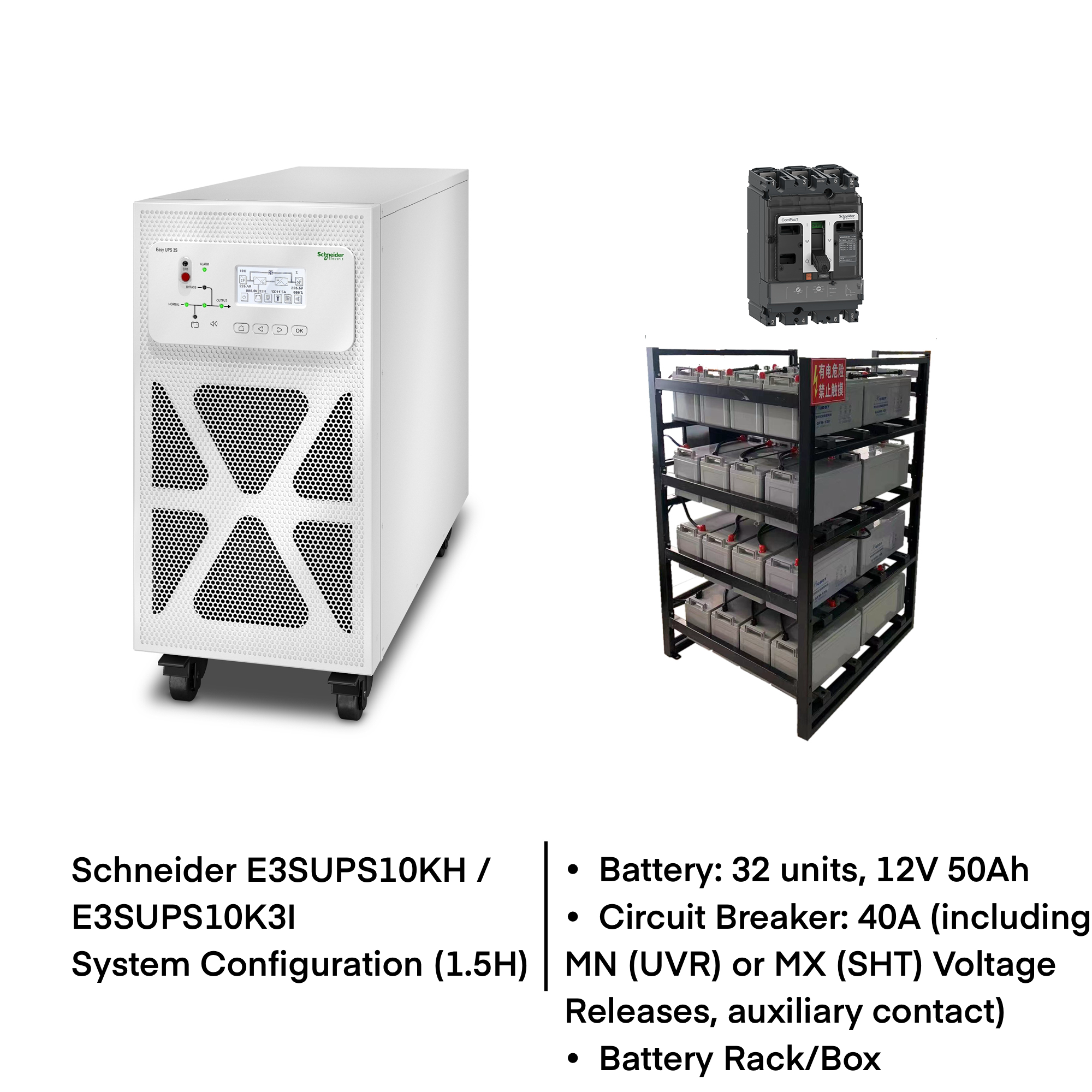
When an Uninterruptible Power Supply (UPS) system begins to show signs of malfunction, one of the most common questions customers face is: Should I replace the entire UPS system or only the battery? Making the right choice depends on several factors, including the system』s age, performance, and the critical nature of your application. This article explains how to evaluate the situation and choose the most cost-effective and reliable solution.
1. Understanding the Role of the UPS Battery
The battery is the heart of any UPS system. It provides backup power when the main electrical supply fails. Over time, batteries experience natural degradation due to repeated charge and discharge cycles, environmental temperature, and storage conditions.
- Lead-acid batteries typically last 3–5 years under proper maintenance.
- Lithium-ion batteries can last 8–10 years or longer, with higher energy density and lower maintenance requirements.
If your UPS system still performs well electrically, and only the battery shows signs of wear (e.g., shortened backup time, inability to hold charge), replacing the battery alone is usually sufficient.
2. When It』s Better to Replace Only the Battery
You should consider battery replacement only when:
- The UPS system electronics (inverter, rectifier, control board) are working properly.
- The system is less than 5–7 years old.
- There are no alarm codes or internal faults unrelated to the battery.
- Replacement batteries are readily available and compatible.
Replacing the battery can significantly extend the system』s life and restore full performance at a fraction of the cost of a full UPS replacement. This approach is especially common in data centers, telecom facilities, and industrial plants where cost efficiency and uptime are crucial.
3. When to Replace the Entire UPS System
Sometimes, replacing the battery is not enough. If the UPS itself is outdated, damaged, or inefficient, a full system replacement may be more economical in the long run.
Consider a full UPS replacement when:
- The system is over 8–10 years old and has outdated technology.
- The inverter or control circuits have experienced repeated failures.
- The UPS is no longer energy-efficient compared to modern designs.
- Spare parts or compatible batteries are difficult to source.
- The load requirements of your facility have increased significantly.
Modern UPS systems from trusted brands like Schneider Electric, when paired with high-quality lead-acid or lithium batteries from manufacturers such as Energynice, provide superior protection, monitoring, and efficiency.
4. The Importance of Professional Evaluation
Before making any decision, it』s critical to have your UPS system inspected by a qualified technician. A professional evaluation can:
- Identify whether the issue lies in the battery, inverter, or control board.
- Perform load tests and measure output voltage consistency.
- Estimate the remaining lifespan of the UPS components.
This step ensures that your investment—whether in replacement batteries or a new UPS—delivers the best long-term reliability.
5. How Energynice Can Help
With over 30 years of manufacturing experience, Energynice provides reliable lead-acid and lithium batteries for UPS systems, data centers, and energy storage applications. Our products are OEM/ODM ready, certified, and tested for long-term stability.
We also offer technical guidance to help partners and distributors choose the best solution—whether battery-only replacement or a full system upgrade.
6. Conclusion
The decision between replacing your UPS battery or the entire UPS system depends on the condition, age, and performance of the equipment.
- If your system is relatively new and functioning well, a battery replacement is the most economical choice.
- If it』s outdated or frequently malfunctioning, investing in a new UPS system may be the smarter long-term decision.
To learn more about reliable battery and UPS solutions, contact Energynice today.
🌐 Visit: energynice.com
📞 WhatsApp: +86 13605518171
📩 Email: info@energynice.com